
Base Building
Enshrouded base building guide: Flame Altar placement and upgrade ranges, voxel terraforming, storage chests, comfort buffs and layouts that keep a settlement walkable.
Introduction
Base building in Enshrouded is the mechanic that makes the survival layer matter, because permanence itself is a structure you place. Ground inside a Flame Altar's radius is yours to reshape and keep; anything you build outside it resets after roughly thirty minutes or a server restart. That single rule turns altar placement into the most consequential decision in any new region, and it turns altar upgrades into the main progression track for a builder. The world is voxel-based, which means terrain is a material rather than an obstacle: you can dig a cellar into a hillside, level a plateau for a courtyard, or tunnel a road through a ridge. Upgrading the flame with Shroud Cores and later Shroud Nexus widens the buildable cube from forty blocks per side to one hundred and sixty, raises how many altars you can keep active and pushes the deadly Shroud further from your walls. Add storage chests that craft from a distance, comfort buffs that speed up experience gain, and a 1.0 free-build mode for roofing work, and the base stops being decoration.
Flame Altar Upgrade Tiers
| Altar Level | Build Volume | Upgrade Material | Practical Effect |
|---|---|---|---|
| Level 1 | 40 × 40 × 40 | Starting altar | First permanent foothold and fast-travel point |
| Level 2 | 80 × 80 × 80 | Shroud Core | Doubles the working volume for a real settlement |
| Level 3 | 120 × 120 × 120 | Shroud Core | Room for dedicated workshop wings |
| Level 4 | 160 × 160 × 160 | Shroud Nexus | Full region-scale build and the strongest fog pushback |
Building Systems
Flame Altar
The structure that makes everything else permanent, and your first fast-travel point
Voxel Terraforming
Terrain as a building material, from cellar digs to plateau levelling
Storage and Magic Chests
Distance crafting and the storage wall that makes a base feel frictionless
Comfort and Free Build
Furnished interiors that speed up levelling, plus 1.0 hover construction
Core Mechanics
The altar radius does three jobs at once: it makes edits permanent, it defines where your buildings survive a restart, and it acts as a fast-travel point and respec station. Upgrading the flame widens that radius and pushes the boundary of the deadly Shroud further out, so a settlement's safety is a direct function of how much Shroud material you have banked. Because terrain is voxel-based, structural questions are real ones: a roof needs support, a hillside excavation needs to respect weight, and a courtyard carved into a cliff behaves differently from one built on flat ground. Storage is part of the same system through magic chests, which hand crafting can draw from at range, so the layout question is not just aesthetic but logistical — the chest wall should be near the workshop cluster. Comfort buffs close the loop by rewarding an actual bedroom and furnished interior with faster experience gain, which makes interior decoration a progression choice rather than a cosmetic one.
Advantages
Few survival games let you reshape the terrain itself, and Enshrouded's voxel system makes that genuinely useful rather than a novelty. Carving a base into a cliff face gives natural protection and costs less material than building outward, while levelling a plateau gives clean lines for a multi-building settlement. Because the altar is simultaneously a fast-travel point, a respec station and the thing that keeps your work permanent, every upgrade is worth more than its raw material cost. Magic chests remove the storage tedium that usually accompanies a growing base, since hand crafting pulls from them remotely. The 1.0 free-build mode also fixed the most annoying part of construction, letting players hover while roofing instead of building scaffolding they will immediately dismantle. Comfort buffs mean a well-furnished base measurably accelerates progression, so the time spent building pays back in levels.
Challenges
The single biggest frustration is that everything outside an altar radius evaporates, and the game communicates this incompletely enough that most players learn it by losing a building. Upgrading altars requires Shroud Cores and Nexus, which come from dangerous infested content rather than from mining, so a builder is forced into combat progression whether they enjoy it or not. Voxel construction has a real learning curve: roofs need support, tunnels can be tedious to dig, and the placement tools occasionally fight you on interior details. Storage organisation also becomes a project of its own once several workshop lines are running, and although magic chests help, they do not sort themselves. The number of simultaneously active altars is limited, so choosing where to invest a footprint is a genuine trade-off rather than an obvious one.
Frequently Asked Questions
Why did my building disappear in Enshrouded?+
How do I upgrade my Flame Altar?+
What should I build first in a new base?+
Quick Tips
Place the altar before you place the first block, every single time. The rule is unforgiving in a way that is easy to underestimate: ground outside an altar's radius resets after about thirty minutes or a server restart, and there is no warning in game when you start building somewhere that will not survive. The cost of planting an altar early is a few seconds; the cost of forgetting is whatever you built plus the materials it consumed. Altar placement also gives you a fast-travel point and a respec station, so it is not a sacrifice even when you are not building anything permanent.
Build storage as a wall of magic chests next to your workstations rather than scattering boxes around the house. Hand crafting can pull materials out of nearby magic chests automatically, which effectively extends your crafting range into the field and eliminates the most tedious part of survival base life. The layout that works is a compact cluster: chests on one side, workshops on the other, and a clear walkway between so you are never hunting for an open container. This arrangement costs nothing extra in materials and changes how often you have to travel home.
Use terrain as free scaffolding instead of building it. Because the world is voxel-based, digging a base into a hillside gives you three walls for the price of one and natural protection that no palisade matches, while levelling a plateau gives clean sightlines and room to expand later. The 1.0 free-build mode also removes the need to construct throwaway scaffolding for roofing work, so there is no longer an argument for building in the awkward order you used to need. If a site feels difficult to build on, the terrain is usually telling you to reshape it rather than fight it.
Featured
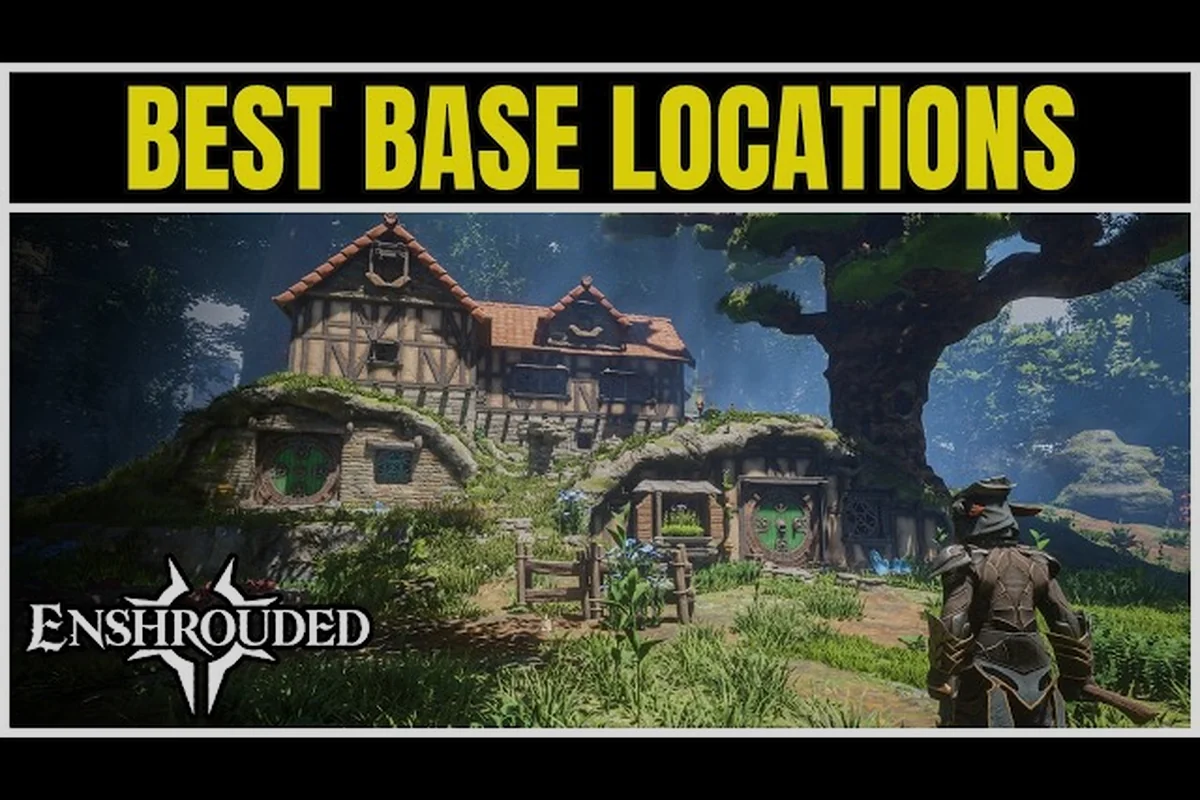
Enshrouded Best Base Location: Where to Place Your First Altar
Weigh flat ground, resource access and no-build zones to pick the best base location in Enshrouded, then expand once Flame level 11 raises the altar cap.
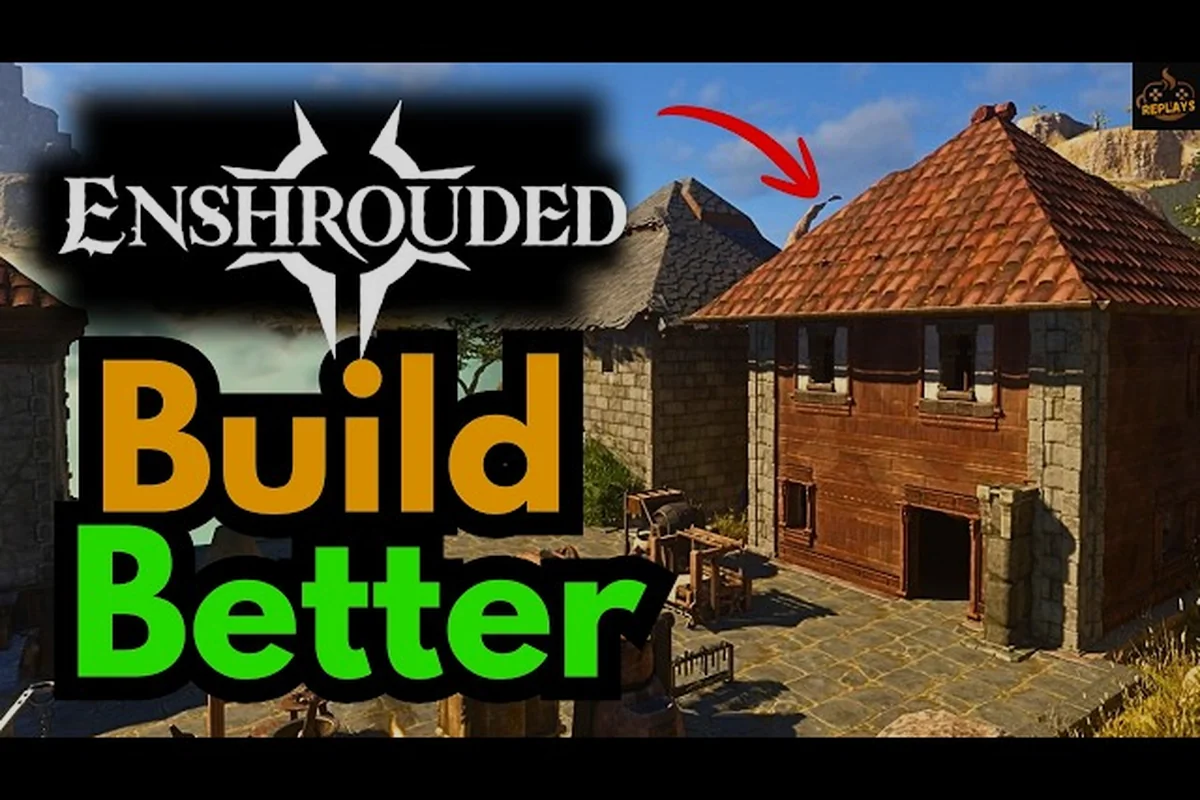
Enshrouded Building Guide: Voxel Bases and Terraforming
Shape terrain, stack voxel blocks and raise your first base with this Enshrouded building guide, covering Flame Altar limits and 1.0 build zone changes.
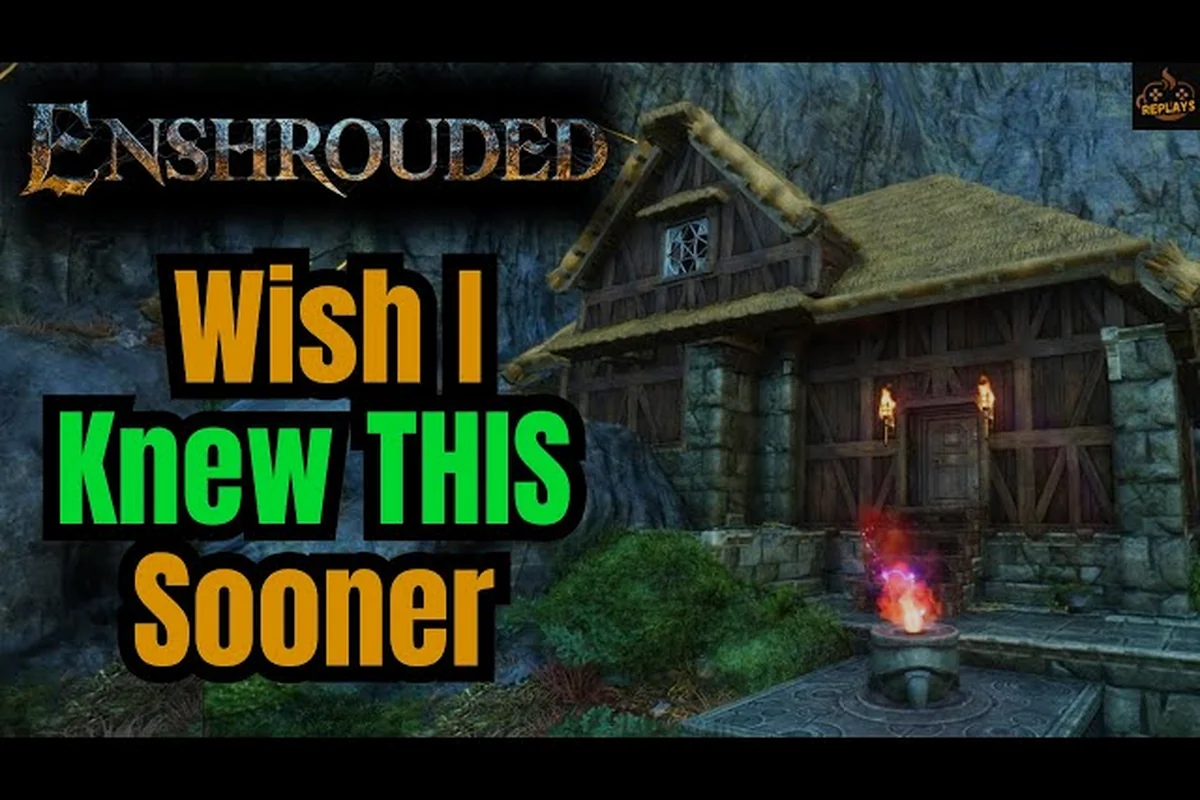
Enshrouded Construction Hammer Guide: Remove Blocks and Fly
Master the Enshrouded construction hammer to remove blocks, enter free flying build mode and reach awkward spots, then fortify your base against night raids.
All Articles
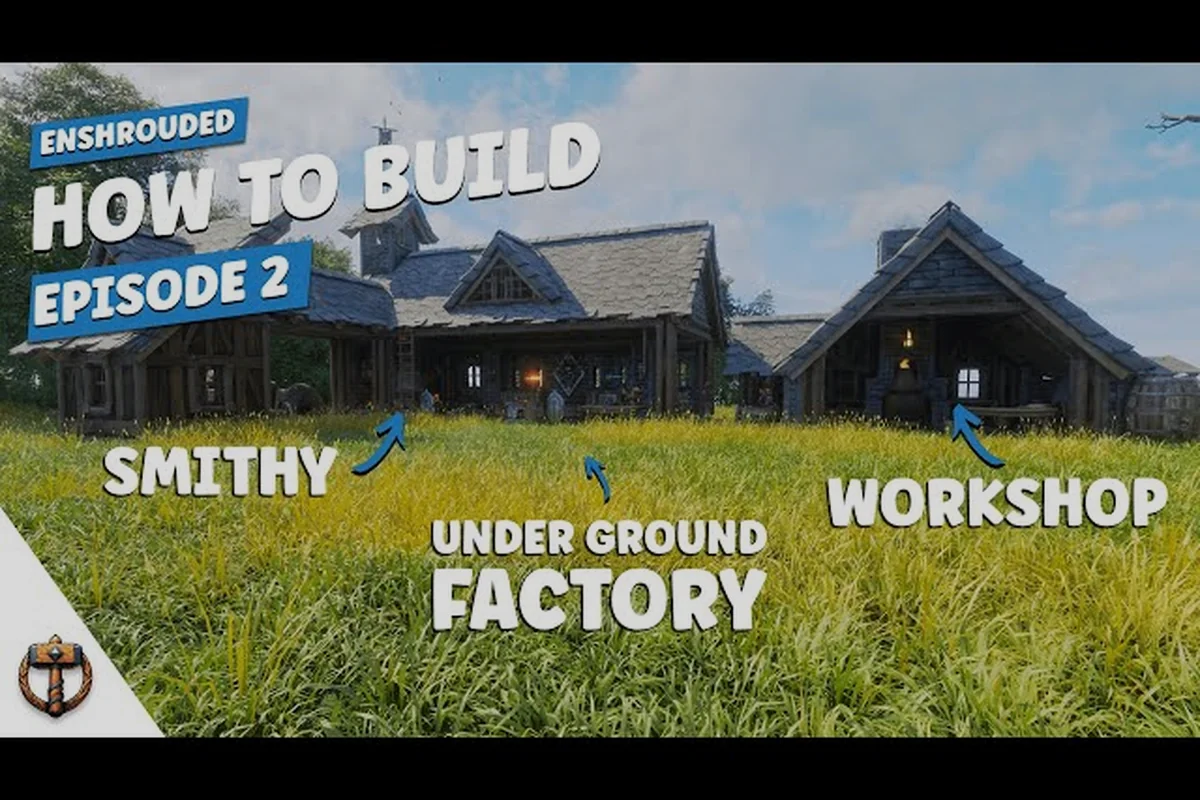
Enshrouded Farm Base Layout: Crafting Zones and Co-op Outposts
Plan an Enshrouded farm base layout that stacks crops, crafting stations and co-op quarters, then learn how to move your base and place outposts.
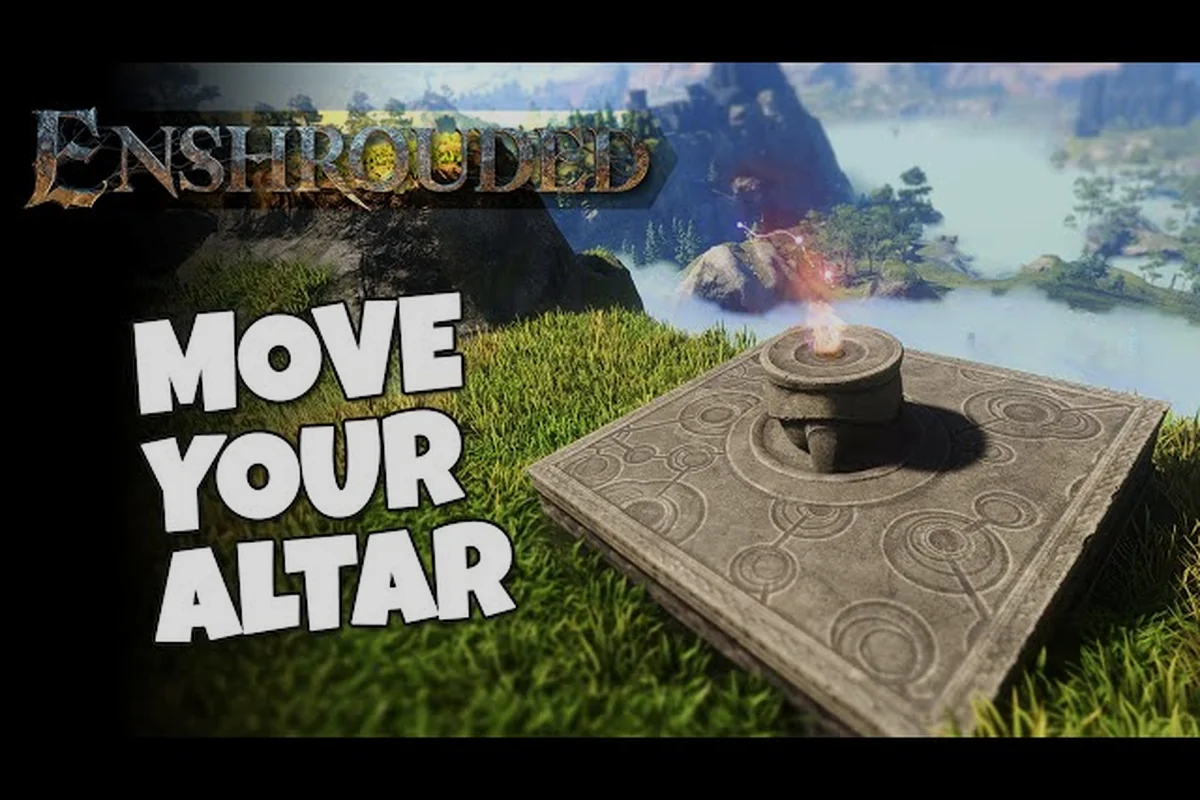
Enshrouded Flame Altar Size Upgrade: Strengthen the Flame
Push your Flame Altar size upgrade by gathering shroud cores and elixir, then see how many altars you can place and how storage chests scale per tier.
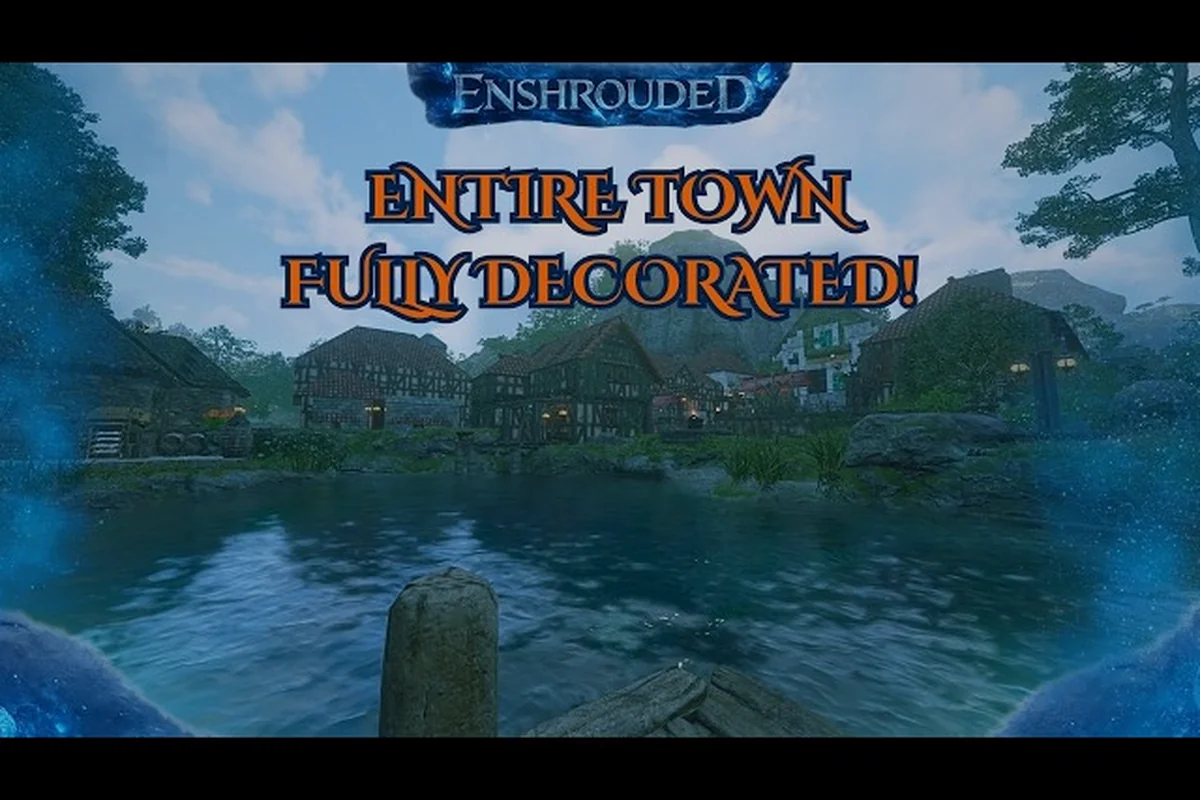
Enshrouded Furniture Guide: Comfort Buff and 1.0 Potted Plants
Learn how the Enshrouded furniture guide turns beds, decor and 1.0 potted plants into a lasting comfort buff, plus scaffold tricks for tight base corners.
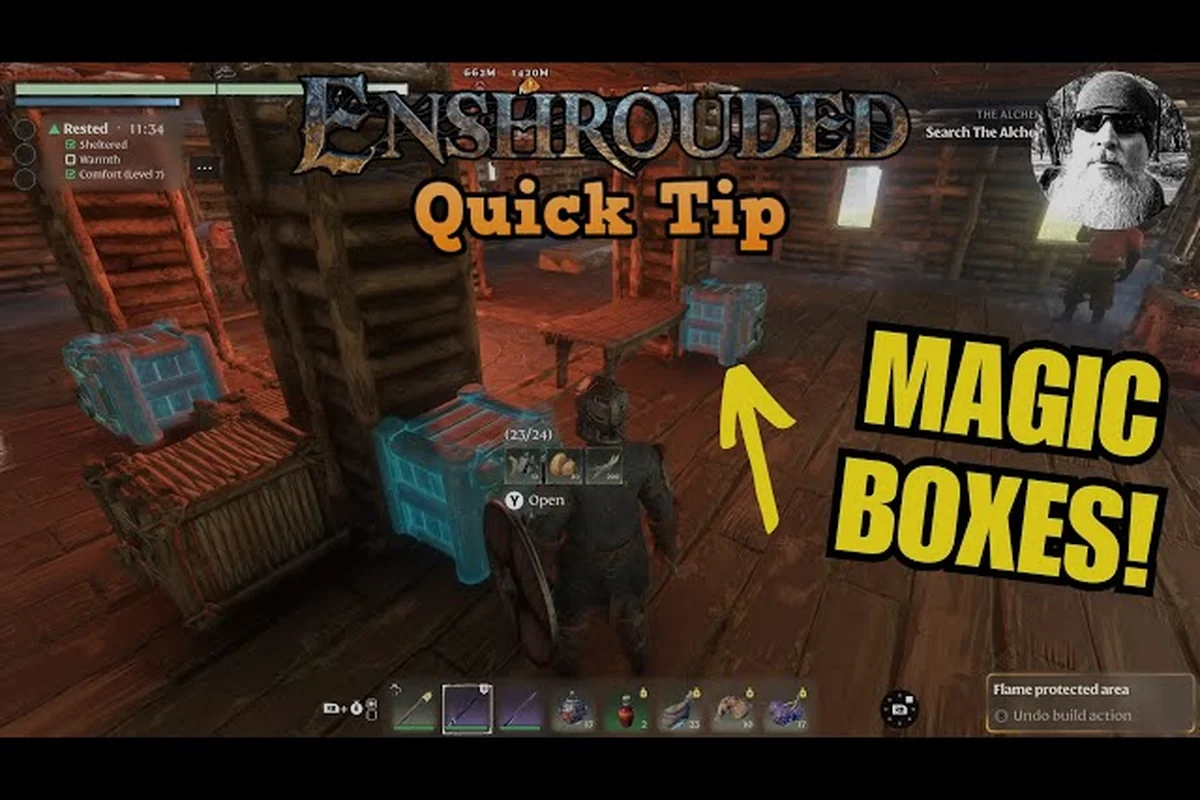
Enshrouded How to Get Magic Chests: Storage and Building Blocks
Unlock Enshrouded how to get magic chests for shared storage, then pick the best building materials and roof styles to keep your base lit and stocked.