
Items
Enshrouded items and gear guide: weapon families, eternal spells and arrows, weapon gems including necromancy, armour sets, resistances and chest tier drop changes.
Introduction
Gear decides whether a build works, and Enshrouded's itemisation is broader than it first appears. Weapon families run from one-handed swords and daggers through bows, wands, staves and two-handed greatswords, and each family behaves differently enough that a specialisation choice is really a weapon choice in disguise. Eternal spells and eternal arrows sit at the top of the caster and archer ladders because they remove charge tracking entirely and can be upgraded, which is why endgame mages stop hoarding reagents. Weapon gems are the modular layer: socketing them changes what a weapon does rather than simply how hard it hits, and the necromancy gems added at 1.0 raise skeleton companions as a genuine combat option. Armour sets matter for resistances as much as raw defence, since damage type resistances decide whether a boss fight is a trade or a lesson. Chest tiers and drop tables were rebalanced for launch, which changed how much of the best gear comes from gold chests rather than crafting.
Gear and Item Reference
| Category | Examples | Why It Matters | Tier |
|---|---|---|---|
| Eternal spells and arrows | Eternal tier magic and ammunition | No charge tracking and upgradeable, removing late-game resource friction | S |
| Two-handed weapons | Greatswords, staves at max tier | Highest per-swing output, at the cost of commitment and stamina | A |
| One-handed and ranged | Bows, wands, daggers | Safer and more flexible, and stronger than their tier suggests once gemmed | B |
| Weapon gems | Necromancy and reaction gems | Change what a weapon does, including raising skeleton companions | A |
Gear Families
Eternal Spells and Arrows
The tier that removes charge tracking and lets a caster stop hoarding reagents
Two-Handed Weapons
Greatswords and max-tier staves — the highest per-swing output in the game
One-Handed, Bows and Wands
Flexible families that look weaker on paper until a gem is socketed
Weapon Gems
Behaviour modifiers including the necromancy gems that raise skeleton companions
Core Mechanics
Enshrouded's item layer works on three axes: weapon family, spell or ammunition tier, and socketed gems. Family decides your attack pattern and stamina cost, which matters more than base damage once you understand the stun system, because heavy swings fill the meter faster while fast weapons build focus more efficiently. Tier decides whether you are tracking charges at all: ordinary spells and arrows consume resources while eternal versions do not and can be upgraded, which is the single biggest quality-of-life jump for a caster or an archer. Gems are where builds diverge, because a gem changes behaviour rather than numbers — necromancy gems raise skeleton companions that fight alongside you, and reaction gems convert damage into elemental effects that interact with enemy resistances. Armour is the fourth piece and the most misunderstood: resistances decide whether a boss's elemental attack is survivable, so a lower-armour set with the right resistance frequently outperforms a higher-armour set without it. Runes handle upgrades and respecs, so salvaging rather than selling is almost always correct.
Advantages
Weapon gems give Enshrouded a customisation layer most survival games lack, letting a mid-tier weapon outperform a higher-tier one once the correct gem is socketed. Eternal spells and arrows solve the resource problem that makes hybrid builds awkward in comparable games, since a battlemage no longer needs to ration casting. The four-way family split also means every playstyle has a viable weapon rather than a token option, and the strong family differences keep loot interesting well past the point where numbers only go up. Resistance-based armour puts knowledge ahead of gear score, so a player who understands the damage system can clear fights that outlevel them. Finally, the 1.0 rebalance to chest tiers and drop tables means the reward structure is predictable enough to plan around, and salvage keeps Rune income steady for players who like respeccing.
Challenges
The main issue is legibility. Gems change behaviour in ways tooltips do not fully explain, so understanding what a specific combination does often depends on community testing rather than in-game information. Damage type resistances work the same way, with the game telling you that something resisted without explaining the thresholds behind it. Weapon family balance is also uneven in practice: greatswords and staves dominate discussions of damage ceilings while one-handed weapons rely on gems to keep pace, which makes early gearing advice harder to give than it should be. Loadout management becomes a chore in the late game, since carrying an answer for each resistance means swapping constantly. And because a portion of the best gear arrives from chests rather than crafting, a player with unlucky drops can stall on progression that others skip.
Frequently Asked Questions
What are eternal spells and why do they matter?+
How do weapon gems work in Enshrouded?+
Which weapon family should I pick?+
Quick Tips
Resistances beat armour rating more often than players expect. Enemy elemental attacks are reduced by your gear's resistances, so a lower-armour set with the correct resistance can comfortably outperform a heavier set without it against a specific boss. The game tells you when something resisted your damage but does not explain the thresholds, so the practical habit is to carry at least two armour configurations once you have the storage for it. For the Fell, fire resistance and fire damage both pay off. For the Hollow, blunt and shock sources tend to perform better than slashing ones.
Salvage aggressively and keep your Rune supply high. Runes are the currency behind both weapon upgrades and the Flame Altar respec, which means an unused weapon sitting in a chest is a wasted resource rather than a collector's item. Because respeccing costs one Rune per spent skill point, a player with a healthy salvage habit can rebuild their entire tree whenever a patch shifts the balance, while a player who hoards cannot. Anything you are not going to equip in the next few sessions should go into the salvage pile, and duplicate drops are almost always worth breaking down.
Socket a gem before you decide a weapon is mediocre. Several mid-tier families, particularly bows, wands and one-handed weapons, only reach their intended performance once a gem is in the socket, and judging them from their bare stats leads players to dismiss perfectly good gear. The 1.0 rebalance also raised the effectiveness of reaction gems considerably, so older advice about which gems are worth using may be out of date. Try the combination you are curious about for two or three fights before deciding, and check whether the behaviour change suits your attack pattern rather than only watching the damage numbers.
Featured
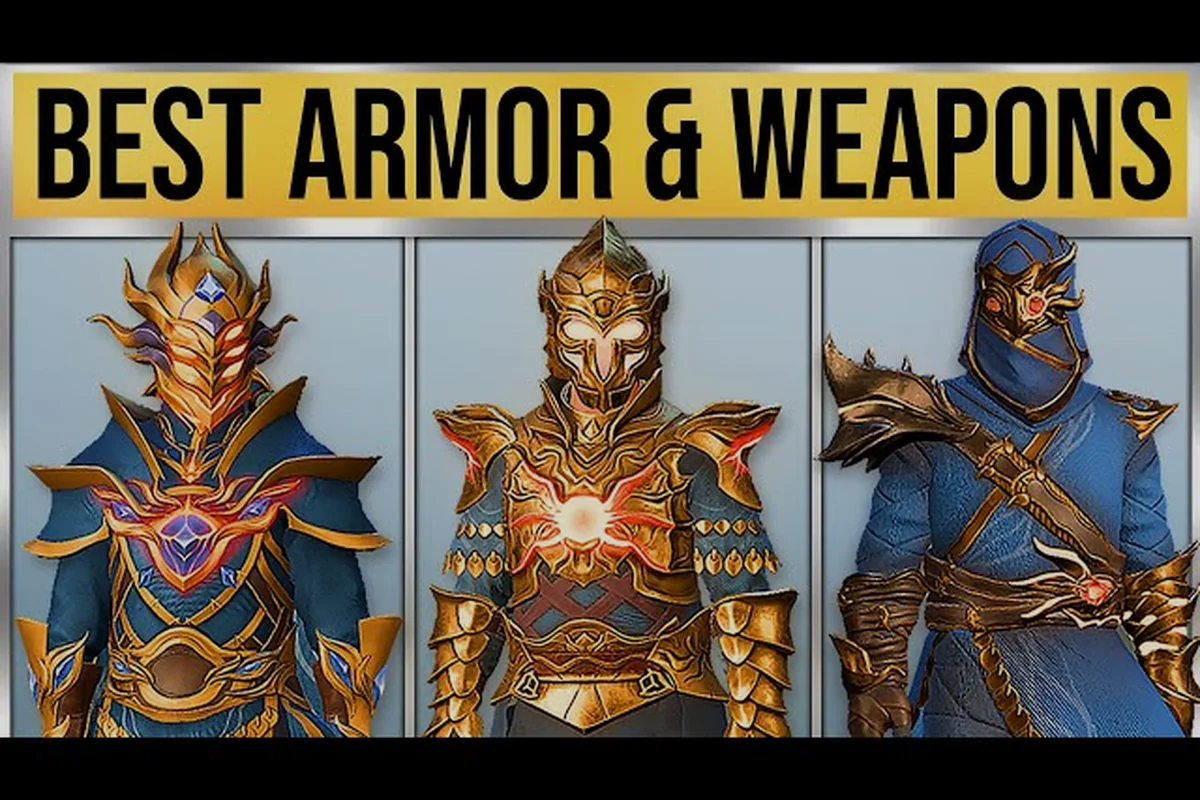
Enshrouded Armor Sets Guide: Legendary Rolls and Class Picks
Pick the right Enshrouded armor sets guide build for mages, warriors and rangers, and see how 1.0's 5% legendary chest buff changes your endgame gear.
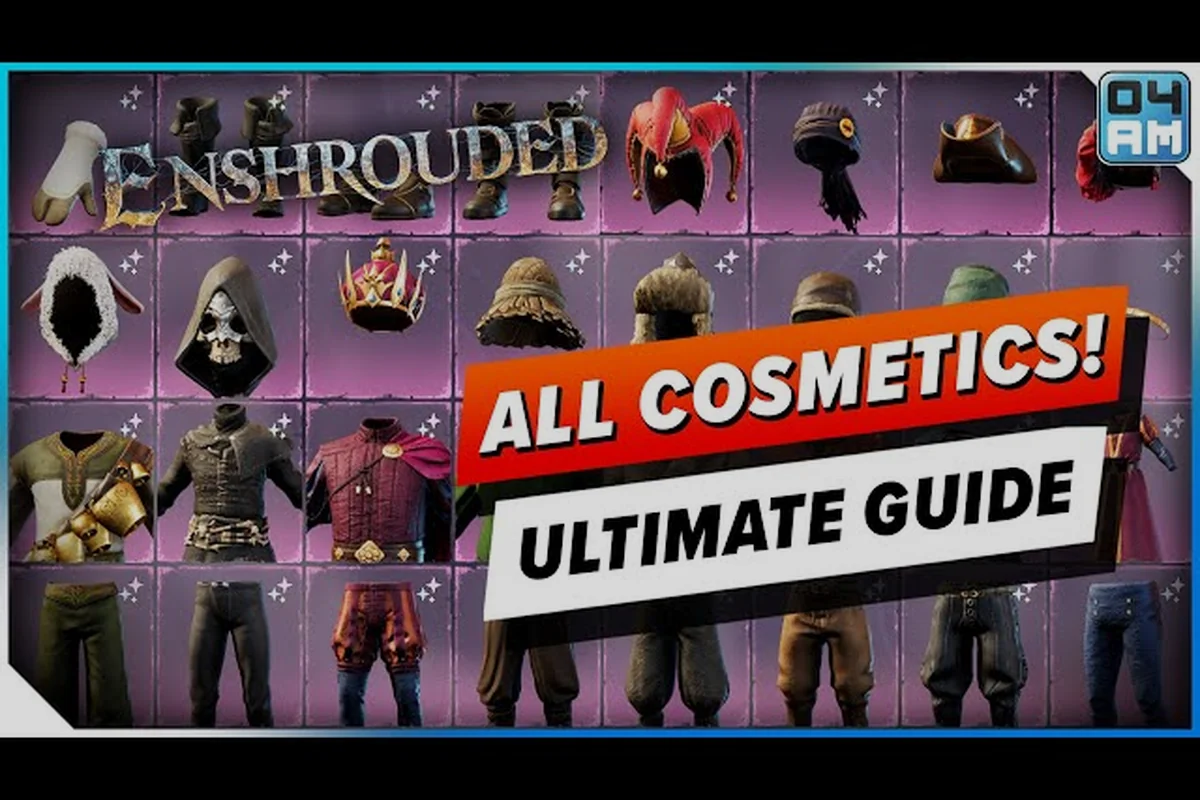
Enshrouded Cosmetic Armor Guide: Weapon Gems and Accessories
Explore the Enshrouded cosmetic armor guide alongside weapon gems and accessories, including the Necromancy and Battle Mania gems worth socketing.
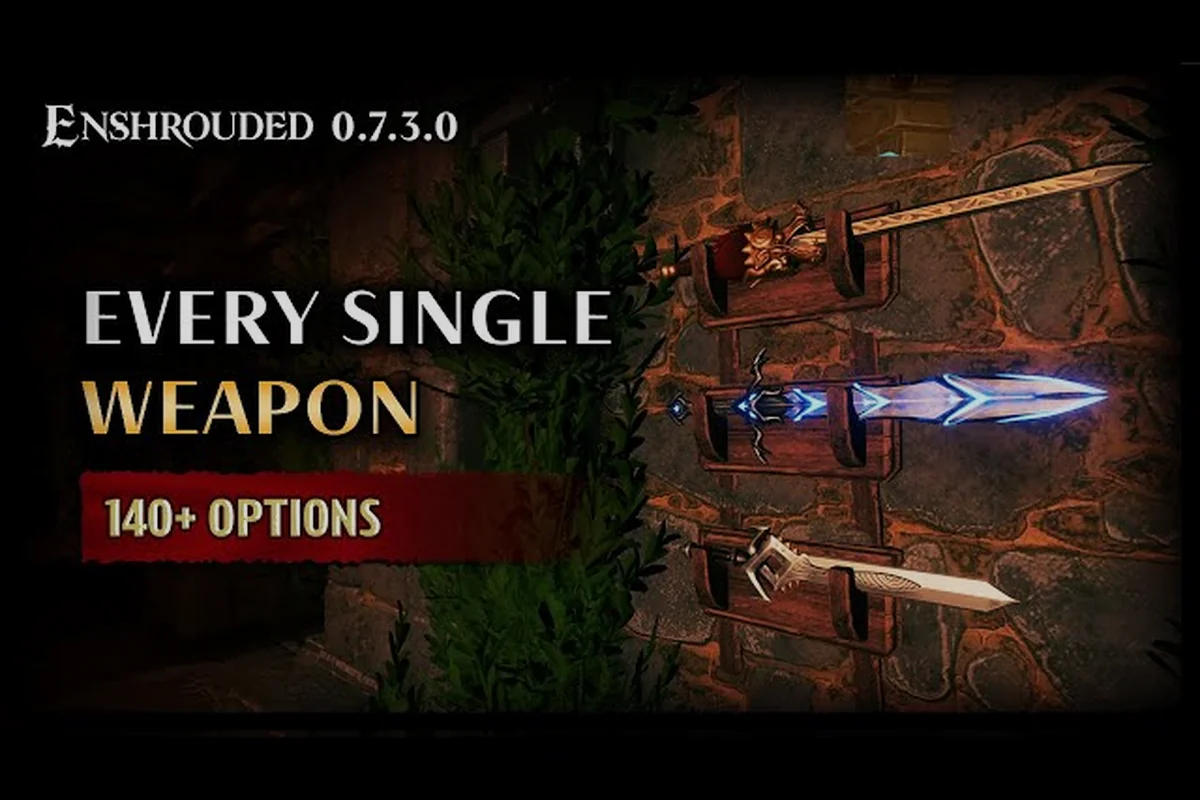
Enshrouded Daggers Guide: Bows, Wands and Staves Compared
Sharpen your Enshrouded daggers guide knowledge, then see how bows, wands and staves fit the 1.0 combat rework and which ranged option suits your build.
All Articles
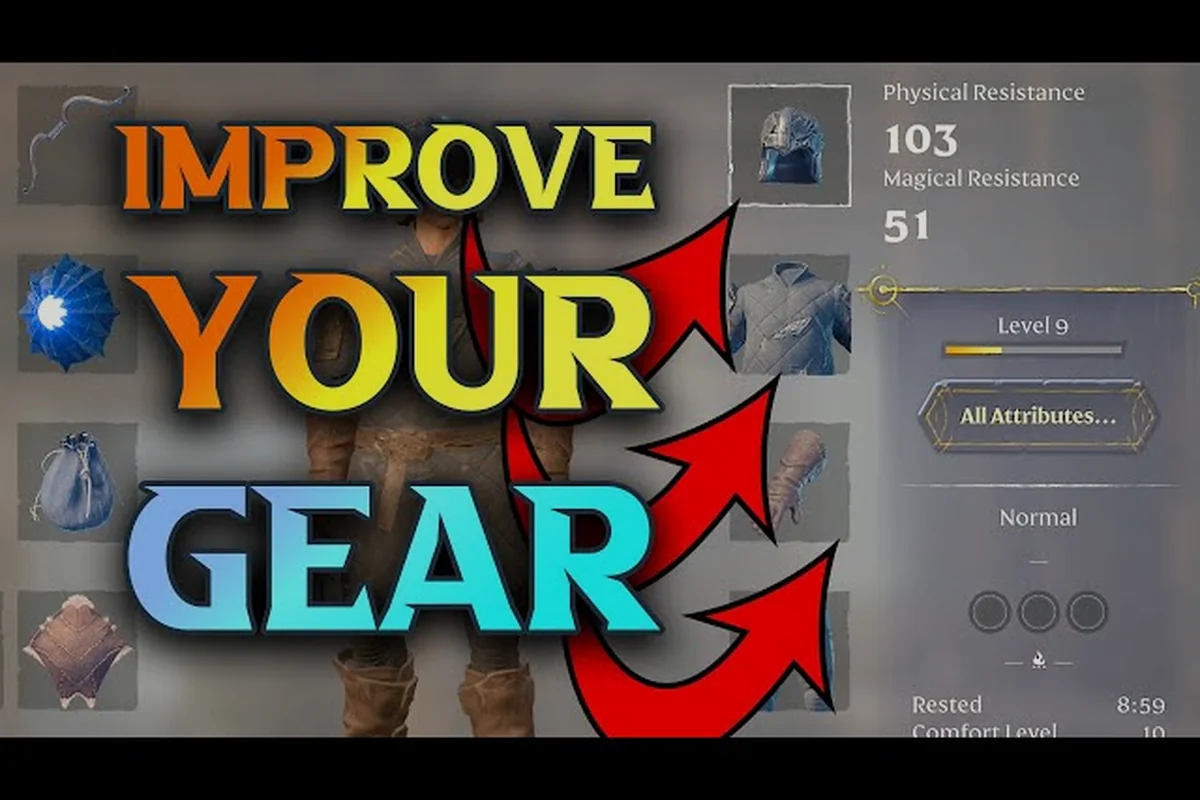
Enshrouded How to Salvage Gear: Recycle and Enhance Weapons
Understand how to salvage gear in Enshrouded, recover runes and materials from old weapons, and enhance the pieces that carry you to level 50.
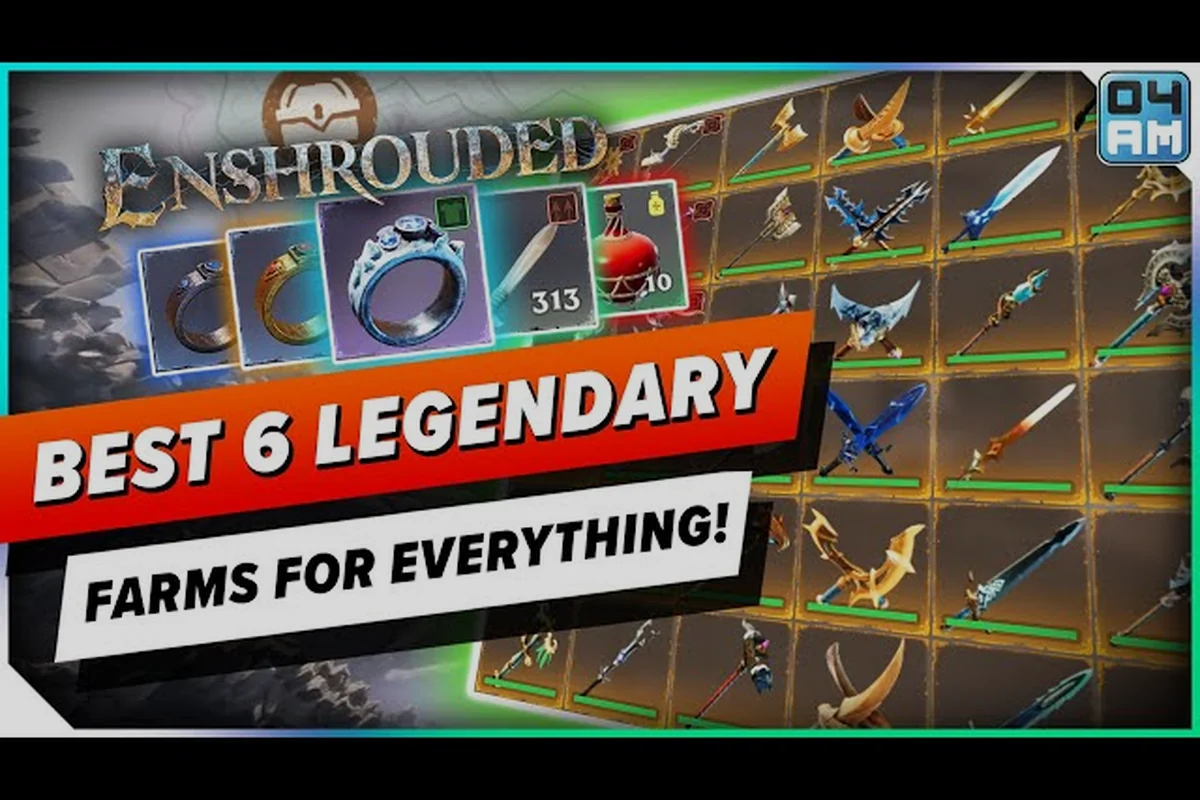
Enshrouded Rings Guide: Best Rings and 1.0 Loot Rarity
Learn how Enshrouded rings boost stats, which rings pair best with your build, and how 1.0 raised legendary drop chance by 5% across chests.
Enshrouded Spells List: 9 New Spells and Eternal Versions
Study the full Enshrouded spells list with 1.0's nine additions like Blizzard and Pillar of Flames, plus how to earn eternal spells and arrows.
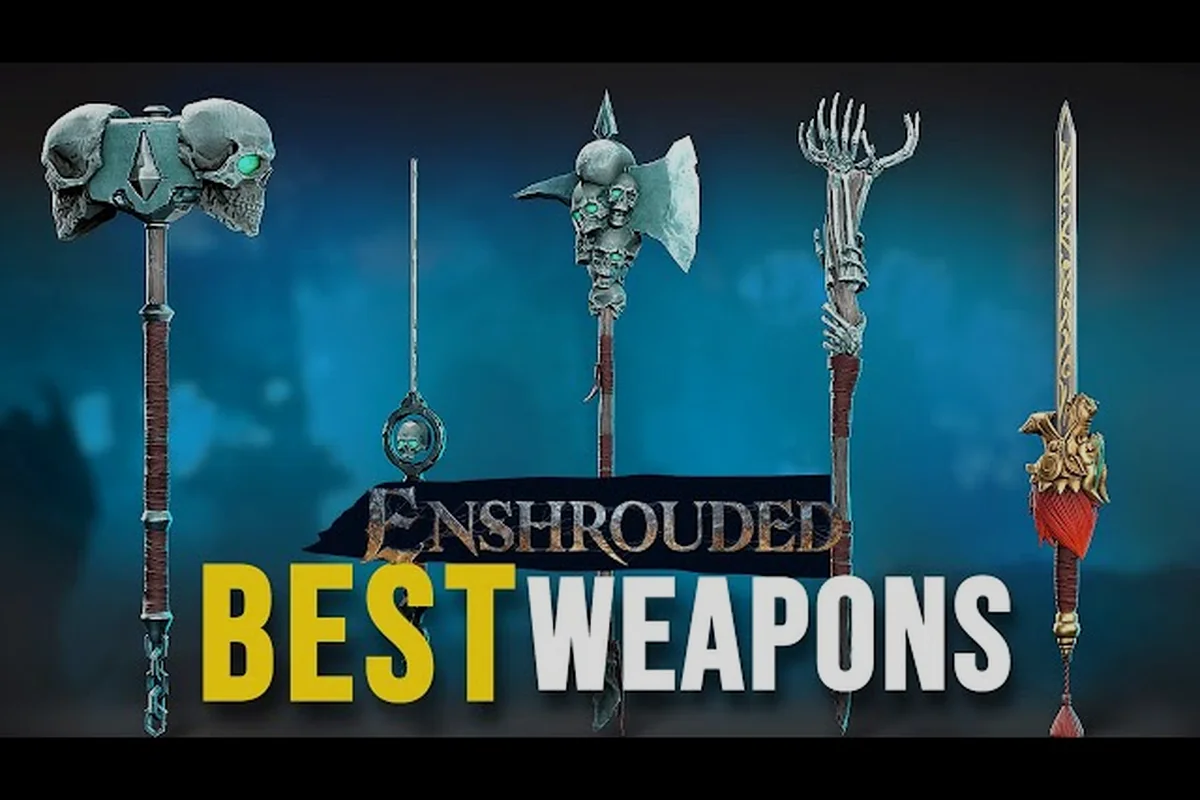
Enshrouded Weapons Guide: 1.0 Wand Heavy Attacks and Free-Aim
Master the Enshrouded weapons guide for 1.0: how wands gained heavy attacks and free-aim, where dagger skills moved, and which blade suits each class.