
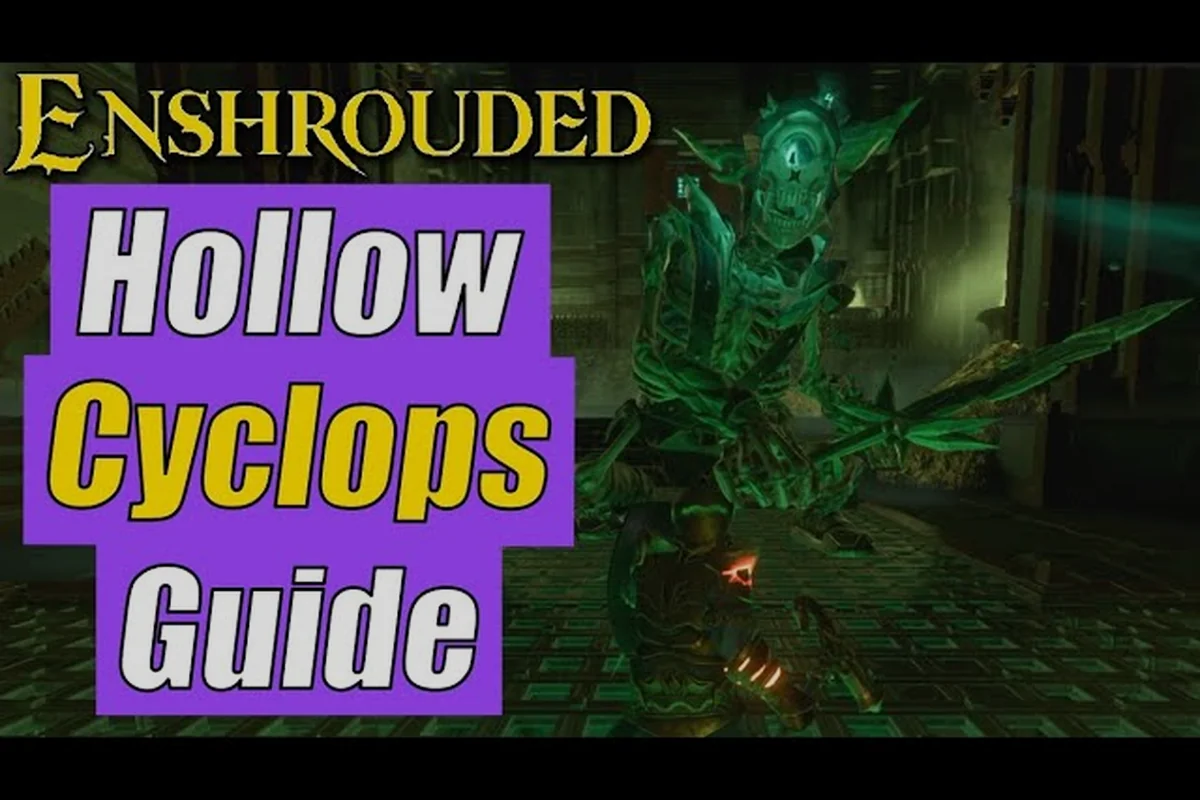
The Enshrouded hollow enemies guide below breaks down the two factions that punish careless spelunking: scavengers and drak. Both hit harder than surface wildlife, and both have quirks that a quick bestiary read can neutralize before you ever swing a weapon.
What Makes Hollow Enemies Different
Hollow enemies are not just reskinned wildlife. They belong to dedicated factions with their own attack logic, and the 1.0 update expanded that roster considerably. According to the Keen Games' Steam announcements for Enshrouded, the new Cinder's Cradle faction alone added 14 enemy types, and combined with variants for existing factions the patch introduced 37 new enemies. That is a meaningful jump in threat density for anyone pushing into the Hollow Halls.
The practical takeaway is that faction identity matters more than raw level. A scavenger pack and a drak patrol demand different positioning, different damage types, and different escape routes. Treating them as generic mobs is how parties wipe in a corridor they already cleared once.
A few structural facts shape every fight underground: Hollow Halls rooms are built as sealed arenas, so once a Felisour or Drak patrol aggros you, retreating through the entry corridor rarely breaks line-of-sight. Enemy level scaling in the Hollow is capped per floor rather than per player, meaning an over-leveled solo build still eats full damage from Cinder's Cradle elites. And because the 1.0 pathfinding pass lets mobs track you around corners, kiting into a side chamber usually pulls a second pack instead of isolating the first.
-
Health regeneration now applies to enemies when players leave the combat area, replacing the old instant reset — so disengaging to heal no longer gifts you a fresh, full-health boss.
-
Improved pathfinding and line-of-sight checks mean enemies track you around corners more reliably than in earlier builds.
-
Hollow Halls layouts funnel fights into tight rooms where AoE and crowd control outperform single-target burst.
-
Bestiary entries unlock as you defeat variants, gradually revealing resistances and weaknesses you can plan around.
That regeneration change is the single biggest shift for boss attempts. A party that wipes and re-engages immediately now faces a partially healed enemy rather than a pristine one, which rewards fast, coordinated re-entries over slow regrouping. The regen rate scales with the enemy's max HP pool, so a Cinder's Cradle elite with a deep health bar recovers a far larger chunk in the same window than a standard scavenger — meaning the cost of a botched reset grows the deeper into the Hollow Halls you push. In practice, this turns the old "pull back, heal up, walk in fresh" rhythm into a losing trade, and pushes groups toward burst-window strategies: stack cooldowns, commit to the kill, and only disengage if the fight is already unwinnable.
Why the Bestiary Is Your First Tool
The bestiary is not flavor text. Each kill fills in data on damage types, elemental resistances, and behavioral tells, and the community-maintained Enshrouded community wiki tracks these values as estimates that may lag behind the newest patch. Reading entries before a run tells you whether to bring fire, blunt, or piercing damage instead of guessing mid-fight.
Scavenger Enemies: Pack Tactics and Armor
Scavengers are the scrappy, organized faction you meet first in hollow spaces. They fight in groups, use ranged harassment alongside melee pressure, and tend to circle rather than charge head-on. An Enshrouded scavenger enemies guide matters because their strength is coordination, not individual stats — kill the ranged members first and the melee line collapses.
Their armor is the second problem, and it compounds the pack pressure rather than replacing it. Scavengers absorb a flat chunk of physical damage before your hit lands, so raw slashing builds trade poorly into a three-enemy circle. Blunt weapons and elemental effects cut through faster because they bypass that mitigation layer instead of grinding against it — a fire-infused mace or a frost staff outperforms a higher-tier sword here. The practical rule: strip the ranged skirmishers with piercing, then swap to blunt or elemental for whatever armored variant anchors the group. The table below summarizes the practical reads that community testing has settled on.
| Scavenger Type | Primary Threat | Recommended Damage | Key Tell |
|---|---|---|---|
| Melee grunt | Sustained chip damage in packs | Blunt / fire | Raises weapon before a two-hit combo |
| Ranged skirmisher | Harassment from elevation | Piercing / ranged | Backs away when you close distance |
| Armored variant | High physical resist | Elemental / blunt | Slower wind-up, heavier stagger |
| Pack leader | Buffs nearby allies | Burst single-target | Distinct silhouette, louder vocal cue |
How to Break a Scavenger Pack
The winning pattern is separation. Pull one or two scavengers out of the room with a ranged shot, kill them before the pack closes, then repeat. Because improved line-of-sight now lets enemies follow you through doorways, you cannot simply kite them forever — you need a chokepoint where only one or two can engage at once.
Crowd control abilities shine here. A well-placed stagger or knockback buys the seconds you need to delete a ranged skirmisher, and once the ranged threat is gone the melee grunts are manageable even for a solo player. If you are still gearing up, the flame altar progression guide explains how altar upgrades raise your survivability before you commit to deeper runs.
Drak Enemies: Aggression and Elemental Pressure
Drak are the opposite of scavengers. They are aggressive, fast, and built around closing distance and punishing hesitation. An Enshrouded drak enemies guide has to start with one warning: do not trade hits. Drak win extended exchanges because their damage scales with how long a fight drags on.
Their elemental pressure is the real danger. Certain drak variants apply burning or shock effects that stack, and stacked effects can delete a health bar faster than the raw hits suggest. Cleansing or resistance gear turns a lethal fight into a manageable one.
| Drak Variant | Damage Profile | Counter | Risk Level |
|---|---|---|---|
| Fire drak | Burning stacks over time | Fire resistance, cleanse | High |
| Shock drak | Stun-locks on repeated hits | Shock resistance, spacing | High |
| Brute drak | Heavy single hits, slow | Dodge timing, blunt | Medium |
| Swarm drak | Overwhelming numbers | AoE, chokepoints | Medium |
Reading Drak Attack Windows
Drak telegraph aggressively. The fire variant inhales before a cone attack, and the shock variant coils before a lunge. Learning these two tells alone prevents most deaths, because both attacks are avoidable with a single well-timed dodge rather than a panic roll. The brute variant is slower but hits hard enough to one-shot under-geared players, so respect its wind-up even when it looks sluggish.
Because drak punish long fights, burst damage and mobility beat tanking. Bring a weapon with a fast charged attack, keep stamina in reserve for a dodge, and disengage the moment your health drops below half rather than gambling on a kill.
Inside the Hollow Halls
The Hollow Halls are where these factions combine into their nastiest configurations. An Enshrouded hollow halls guide has to account for room design as much as enemy stats, because the halls force fights in spaces that favor the enemy's numbers. Narrow corridors, elevated ledges, and blind corners all work against a party that spreads out.
The bestiary reads you gathered above become a routing tool here. If a room's entry shows scavengers, you know to expect ranged harassment from the ledges and can plan a chokepoint. If it shows drak, you know the fight will be fast and elemental, so you pre-buff resistance before opening the door.
| Halls Challenge | Why It Hurts | Preparation |
|---|---|---|
| Tight corridors | Limits dodging space | Bring AoE + stagger |
| Elevated ranged | Free harassment | Clear high ground first |
| Mixed factions | Conflicting counters | Split damage types |
| Boss rooms | Regeneration on re-entry | Coordinated fast re-engage |
Beating the Hollow Halls Boss Fights
Beating the Hollow Halls comes down to three habits. First, clear trash before the boss so you are not fighting on two fronts. Second, commit to a fast re-engage after a wipe, because the new health regeneration means a slow regroup hands the boss free recovery. Third, match your damage type to the boss's bestiary entry rather than defaulting to your favorite weapon.
For a broader look at how these encounters fit into the wider progression, the Enshrouded boss guide maps out the full order and the counters for each major fight. Pairing that overview with the faction reads here gives you a complete plan before you descend.
Building a Loadout That Answers Both Factions
A single loadout rarely handles scavengers and drak equally well, so the smart move is a flexible kit rather than a specialized one. Community reports consistently favor carrying one blunt option for armored scavengers and one elemental option for drak, plus a cleanse or resistance consumable for stacking effects.
The official official Enshrouded Steam page confirms the game supports deep skill-tree specialization across juggernaut, ranger, and battlemage paths, which means your build can lean into whichever faction gives you the most trouble. A ranger handles scavenger skirmishers cleanly but struggles against drak aggression, while a battlemage melts drak with elemental damage but needs blunt backup for armored packs.
Practical loadout priorities: keep your blunt weapon upgraded to at least the same tier as your elemental staff, since scavenger armor scales with Hollow Halls depth and an under-leveled mace turns armored packs into stamina-draining slogs. Pair that with a resistance ring matching the drak variant you expect — fire for Ember Drak, shock for Storm Drak — because stacking two elemental debuffs without resistance leaves you eating chip damage through every dodge window.
-
Carry two damage types — one blunt, one elemental — so no room hard-counters you.
-
Keep a cleanse consumable for burning and shock stacks, especially before drak rooms.
-
Invest in stamina so you can dodge drak lunges without running dry.
-
Upgrade your altar to raise baseline survivability before deep runs.
-
Read the bestiary after every new variant kill to refine your counters.
Solo vs. Co-op Adjustments
Solo players should lean harder on chokepoints and ranged pulls, because you cannot rely on a teammate to revive you mid-fight. Co-op parties can split roles — one player holds the melee line while another deletes ranged threats — but they must still respect the regeneration change and re-engage quickly after a wipe. The faction logic does not change with party size; only the execution speed does.
Frequently Asked Questions
What are hollow enemies in Enshrouded?
Hollow enemies are the faction-based threats found in underground spaces like the Hollow Halls, primarily scavengers and drak. They differ from surface wildlife because they fight with coordinated tactics, elemental effects, and armor that punishes the wrong damage type. The 1.0 update expanded this roster with dozens of new enemy types and variants.
How do I beat scavengers in the Hollow Halls?
Break the pack apart before committing. Pull one or two scavengers into a chokepoint, kill the ranged skirmishers first, then clean up the melee grunts. Bring blunt or elemental damage to bypass their physical resistance, and use stagger or knockback to buy space when the pack closes in.
What damage type works best against drak?
Elemental damage is the safest answer because drak apply burning and shock stacks that punish long fights. Match your resistance gear to the variant you expect, keep stamina for dodging their telegraphed lunges, and burst them down quickly rather than trading hits in an extended exchange.
Why do enemies heal after I wipe in the Hollow Halls?
The 1.0 update changed enemy behavior so that enemies recover health over time when players leave the combat area, replacing the old instant reset. This means a slow regroup after a wipe lets the boss recover, so fast, coordinated re-engagements are now the better strategy.
Do I need the bestiary to survive hollow enemies?
You can survive without it, but the bestiary removes guesswork. Each entry reveals resistances, weaknesses, and behavioral tells as you defeat variants, letting you pick the right weapon and consumable before a fight instead of discovering the counter mid-combat. Treat it as a planning tool, not optional reading.
Hollow enemies reward preparation over reflexes. Read the bestiary to log each scavenger and drak variant's resistances before you commit, carry two damage types so a blunt-resistant pack or an elemental drak never stalls your run, and respect the regeneration change on re-engagements — a slow regroup after a wipe now lets the boss heal, so fast, coordinated pulls matter more than cautious poking. Do that and the scavengers and drak that once ended your runs become predictable obstacles you can route around.